

Quick answer
Ballina whale season runs from May through November, with the highest concentration of sightings between June and October. Humpback whales travel north from May to August, then return south from September to November. Late June and early July produce the densest northbound traffic, while late September sees the largest pods as mothers and calves make the southward journey at a slower pace.
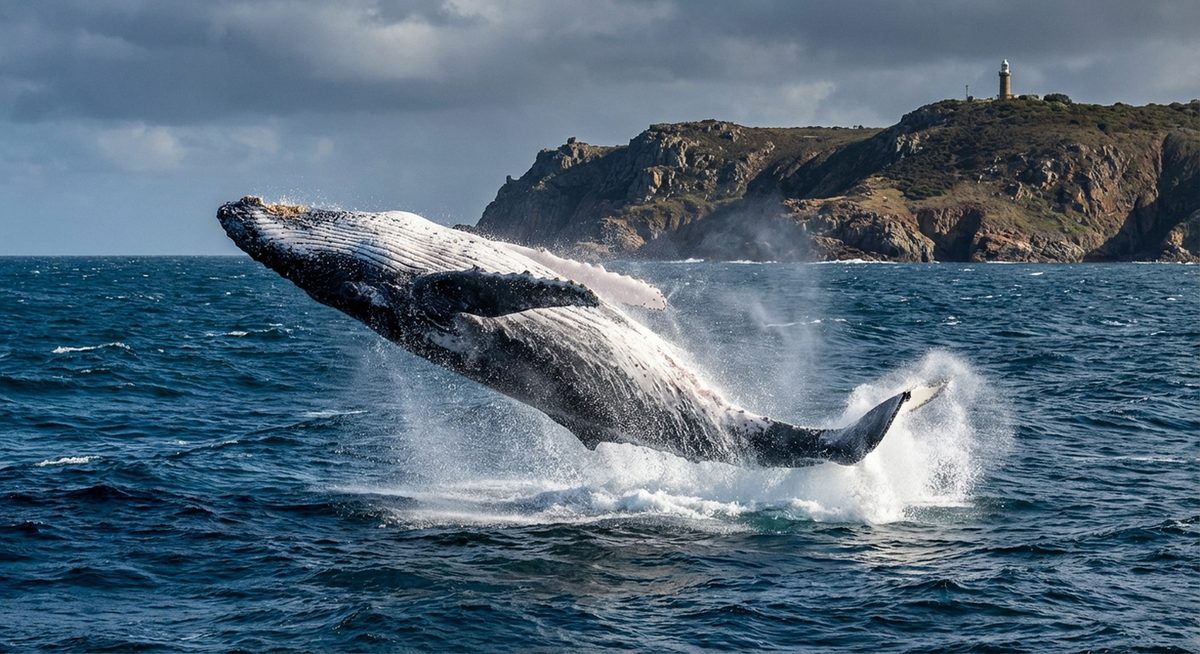
More than thirty thousand humpback whales pass the Ballina coast each year, making it one of the most reliable land-based whale watching corridors in Australia. The migration follows a fixed biological clock: adults and juveniles travel north in May and June, followed by pregnant females in July, then the entire population reverses direction between September and November. Shore-based observers at Ballina's elevated headlands can see whales breaching, tail-slapping, and travelling in pods without needing a boat. The ballina whale season divides into two distinct phases. The northbound leg between May and August moves quickly—whales cover up to 150 kilometres a day and rarely linger. Sightings are frequent but brief. The southbound return from September onward is slower and more visible. Mothers with newborn calves hug the coastline, resting in sheltered bays and travelling at half the pace of the northbound adults. Late September and early October deliver the longest sightings, with pods visible from the same headland for twenty minutes or more. Morning conditions between 7:00 and 10:00 offer the clearest visibility. Wind speeds below fifteen knots keep the surface smooth, and low-angle sunlight reduces glare. Afternoons bring onshore wind and chop that obscures distant blows and breaches. Public lookouts at Ballina Head and Shelly Beach require no permits and remain accessible throughout the migration window. Binoculars extend the effective range, but the majority of sightings occur within two kilometres of shore and are visible to the unaided eye. Whale behaviour varies week by week. Early-season northbound whales maintain straight trajectories and surface predictably every eight to twelve minutes. Southbound mothers breach more frequently, and calves practice tail-slapping and pectoral fin displays within sight of the headlands. The final weeks of the ballina whale season in late October and November see fewer whales but longer, more acrobatic surface activity as the last stragglers complete the journey south.
“More than thirty thousand humpback whales pass the Ballina coast each year, making it one of the most reliable land-based whale watching corridors in Australia.”
Best Time to Experience Ballina Whale Season
The migration of humpback whales past Ballina occurs annually from late May through November. For the highest probability of sightings, plan your visit for the 07:00–10:00 arrival window to capitalize on calm morning sea conditions and optimal light angles.
June–August
ModerateCooler temperatures (15°C–20°C)
This period represents the northern migration as whales move toward warmer tropical waters. Activity is consistent as pods travel along the coastline.
September–November
HigherWarmer temperatures (18°C–24°C)
This marks the southern migration when mothers and calves are frequently observed. Sightings often occur closer to the shore during these months.
Morning Windows
Variable07:00–10:00; calm seas
The early arrival window provides superior visibility and light for spotting surface activity. Lower wind speeds during these hours typically result in flatter water conditions.
Verdict: The most effective time to observe whales is between 07:00 and 10:00 from June to November.
Costs for Ballina Whale Season Viewing
Costs for Ballina whale season viewing depend on whether you choose public shore-based observation or commercial boat excursions. Entry to all public whale watching lookouts remains entirely free of charge.
Public viewing is 0 AUD, while total costs for offshore experiences vary depending on the commercial tour provider selected.
Access Hours During Ballina Whale Season
Public lookouts and whale watching vantage points in Ballina remain accessible to visitors at all hours throughout the whale migration season.
| Monday | 00:00–23:59 | |
|---|---|---|
| Tuesday | 00:00–23:59 | |
| Wednesday | 00:00–23:59 | |
| Thursday | 00:00–23:59 | |
| Friday | 00:00–23:59 | |
| Saturday | 00:00–23:59 | |
| Sunday | 00:00–23:59 |
Getting to Ballina Whale Season Viewpoints
Ballina Wharf is located at 12 Fawcett St, Ballina, NSW 2478, Australia. Most visitors reach the area via the Pacific Highway (M1) before taking the exit toward Ballina town center.
Pacific Highway (M1) to Ballina town center
Ballina Bus Interchange on Tamar Street
Follow River Street to Fawcett Street
Preparation Checklist for Ballina Whale Season
Shore-based whale watching requires minimal preparation, but a few items will improve your experience during the migration months.
-
Download a whale-tracking app — Real-time sighting reports help you time your visit to active migration days.
-
Bring binoculars or a zoom lens — Humpbacks often breach 500+ metres offshore, beyond clear naked-eye detail.
-
Check the Bureau of Meteorology marine forecast — Strong onshore winds reduce visibility and make coastal lookouts uncomfortable.
-
Wear layered clothing and a windproof jacket — Morning sea breezes drop the apparent temperature by several degrees.
-
Pack sun protection and water — Ballina's headland lookouts offer little shade during extended viewing sessions.
-
Arrive during the 07:00–10:00 window — Calm morning conditions and better light angles make whales easier to spot.
Nearby Attractions During Ballina Whale Season
Enhance your time on the coast by visiting these nearby locations, which offer natural extensions to your maritime experience in Ballina. These sites provide varied perspectives of the coastline and local environment.
Ballina Maritime Museum
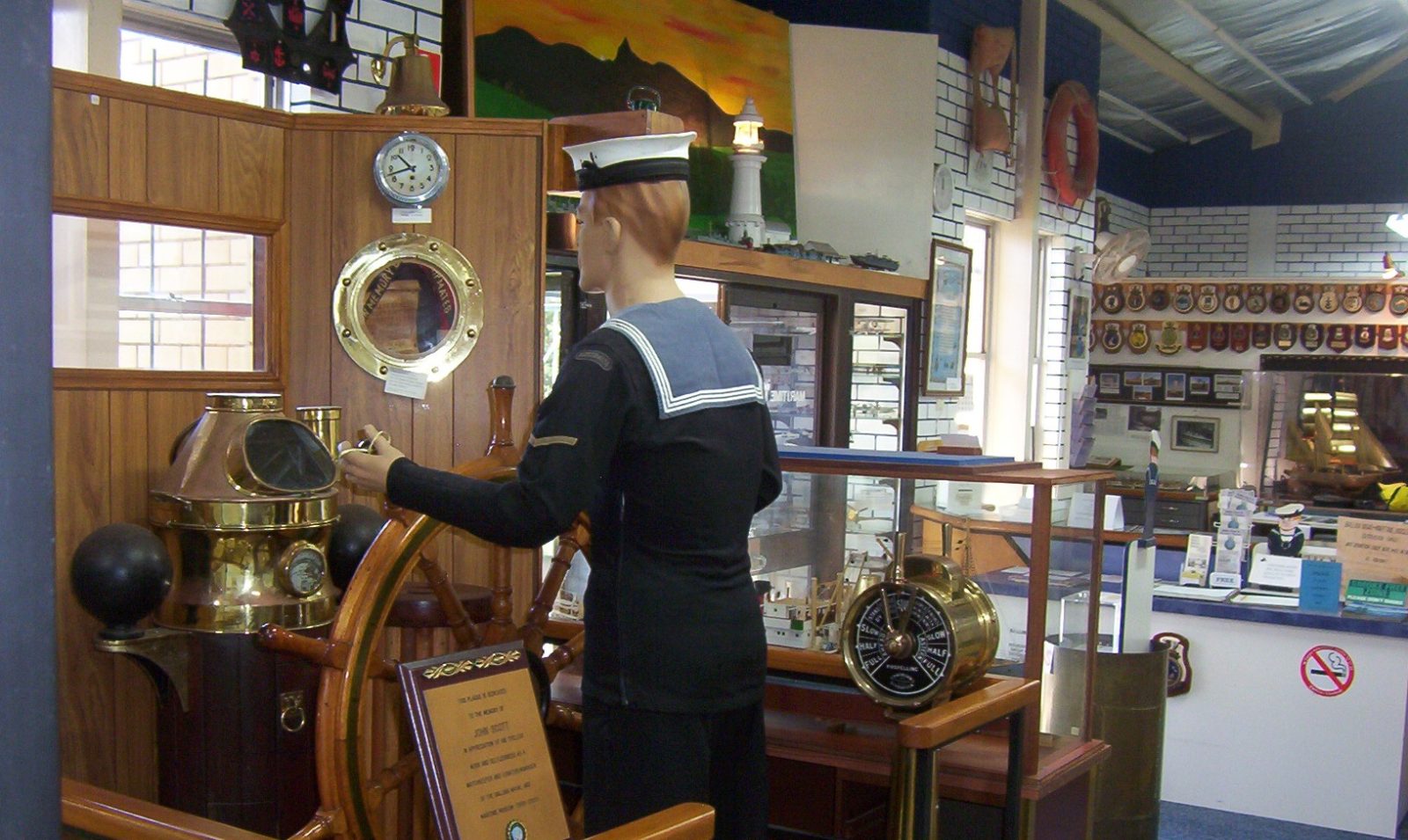
This museum provides context on the region's nautical history and whale migration patterns.
Shelly Beach
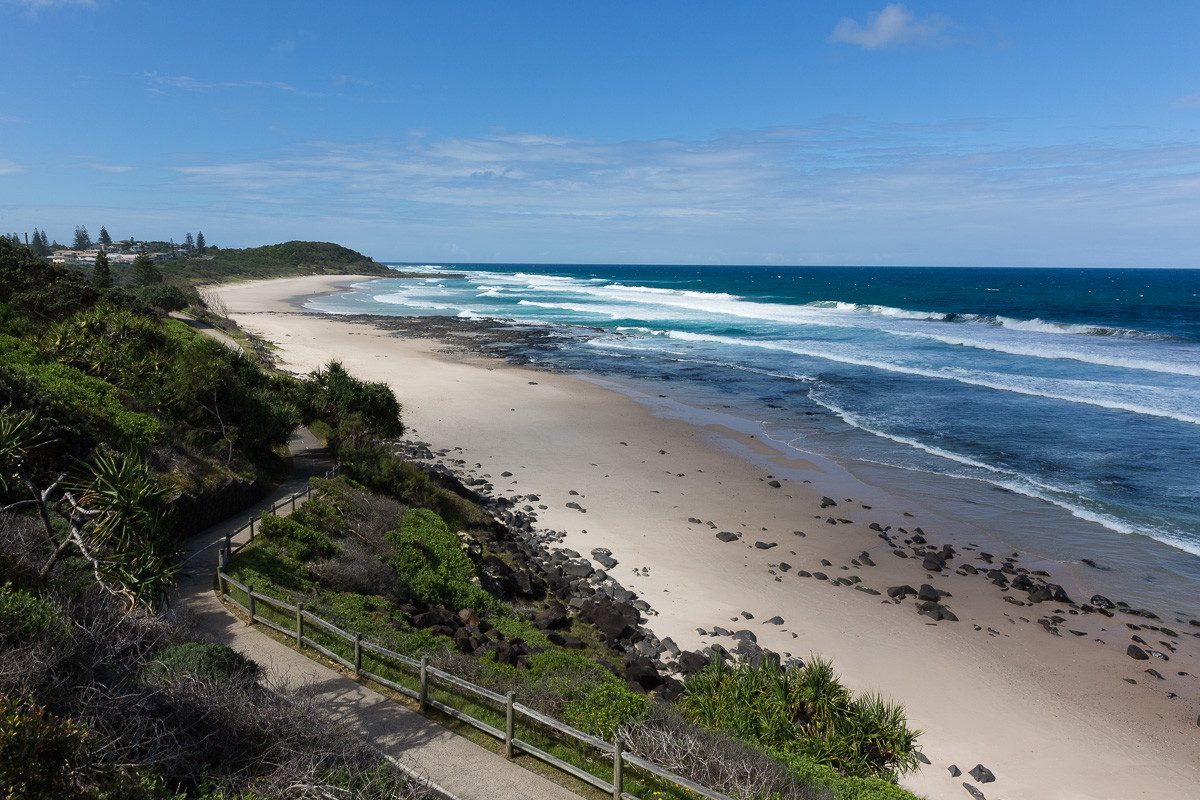
A popular spot for coastal walks that allows you to scan the horizon for whale activity from a different vantage point.
Richmond River
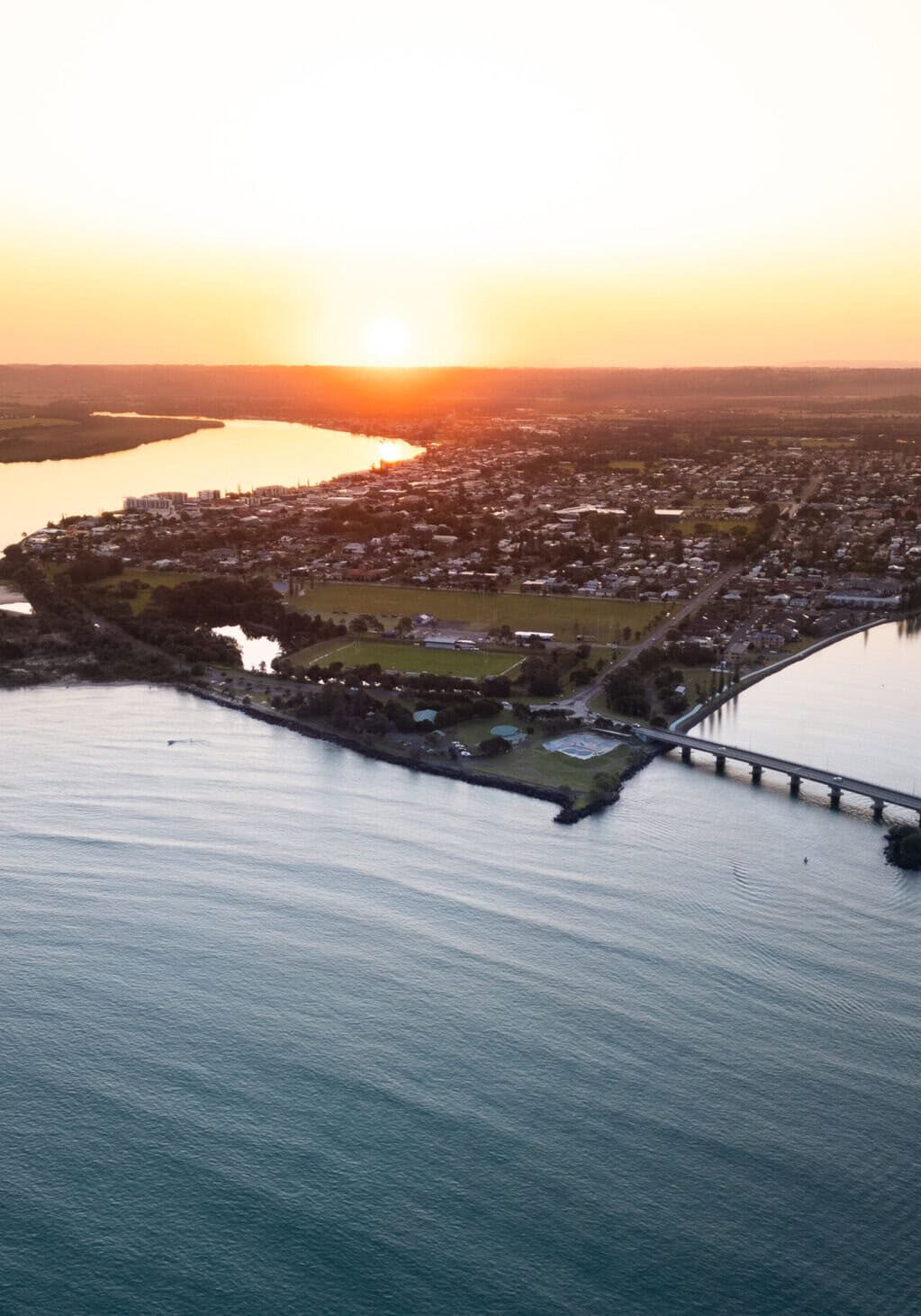
The river mouth is the gateway for vessel departures and offers tranquil settings for observing local birdlife before or after your trip.
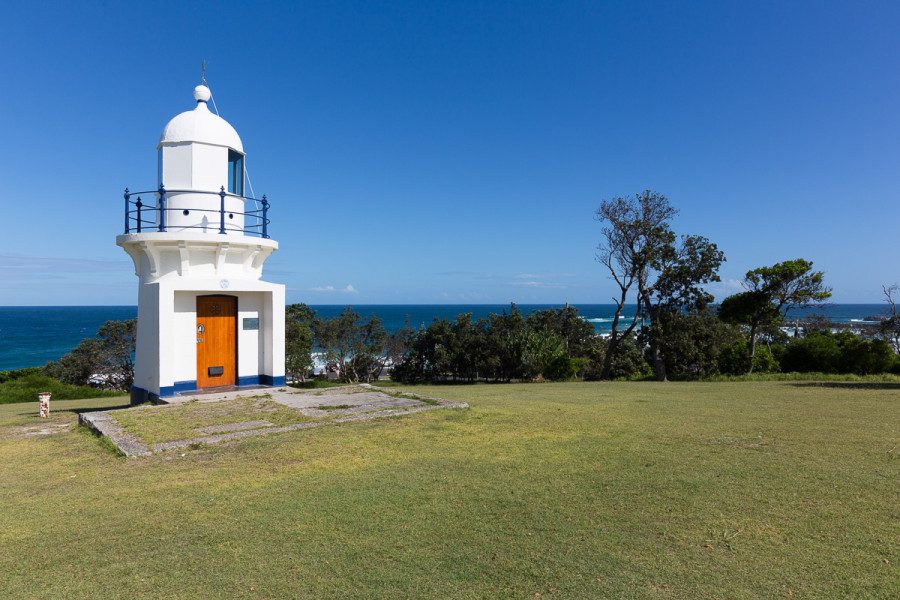
Lighthouse Beach
Featuring the North Wall, this area is a significant land-based lookout for tracking marine life movements along the coast.
Check availability
Frequently asked questions about ballina whale season
Everything you need to know about ballina whale season