2 hr 30 min
Humpback Whale Watching with Marine Biologist
- Entry ticket
- Mobile voucher
- Valid same day
- Free cancellation
Ballina Whale Watching — Ocean Encounters with Migrating Humpbacks
Front-row seats to the humpback highway, where Byron Bay meets the open Pacific
Compare fares, pick the fit — all bookings are mobile-voucher and eligible for free cancellation where shown.
2 hr 30 min
2 hr 30 min
2 hr 30 min
| Experience | Duration | Rating | Guide | Small group | Free cancel. | Price | |
|---|---|---|---|---|---|---|---|
|
Standard Entry
Most popular
Humpback Whale Watching with Marine Biologist
|
2 hr 30 min | ★ 4.8 | — | ✓ | ✓ | €80 | Book → |
|
Standard Entry
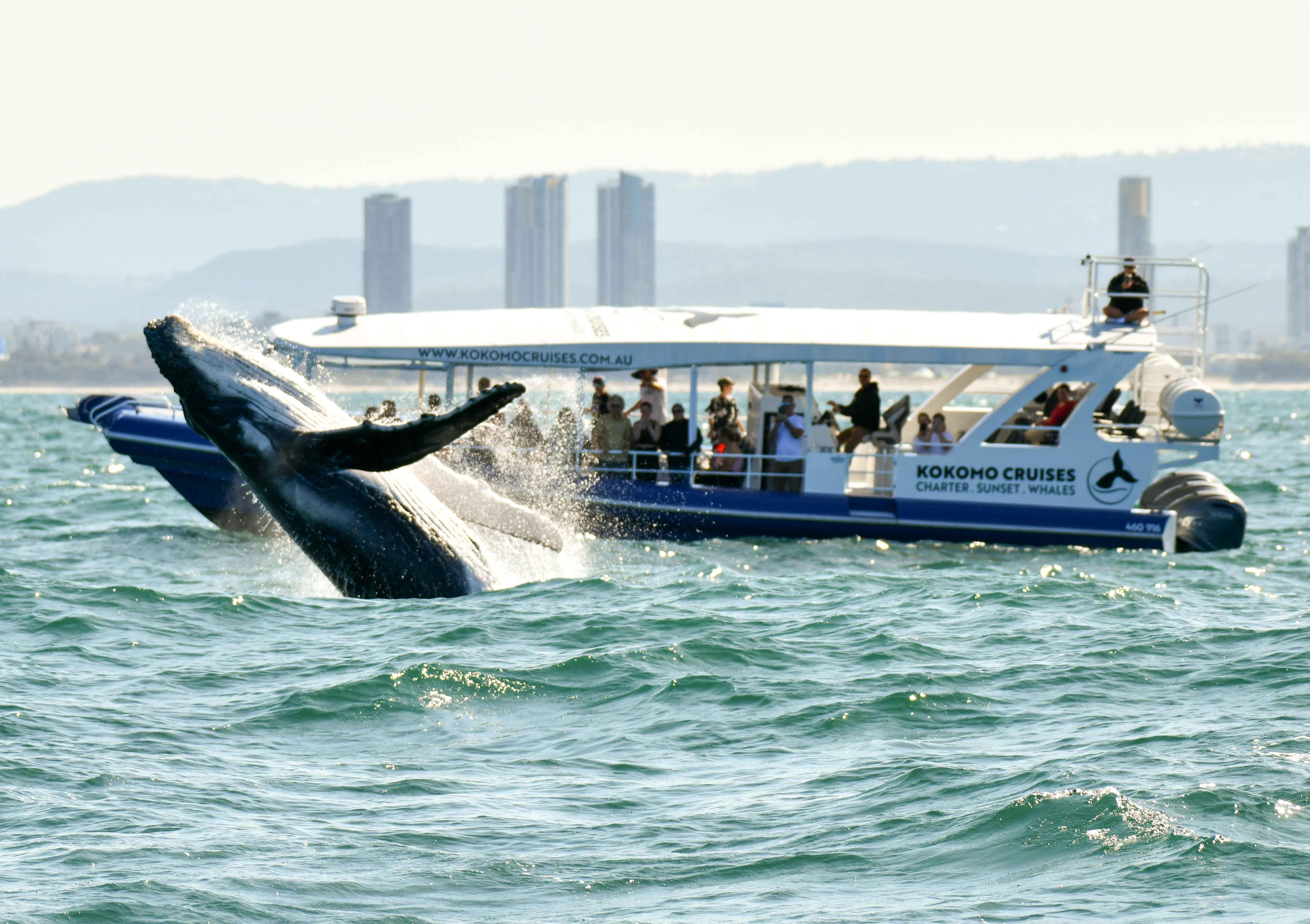
Gold Coast Humpback Whale Watching Cruise
|
2 hr 30 min | ★ 4.9 | — | ✓ | ✓ | €55 | Book → |
|
Standard Entry
Whale Watching with Marine Biologist
|
2 hr 30 min | ★ 4.9 | ✓ | ✓ | ✓ | €77 | Book → |
Worth it for reliable sightings and expert guidance
Paid ballina whale watching cruises deliver significantly higher success rates than shore-based observation—operators report 95% sighting probability during peak migration months compared to sporadic land viewings. Professional guides identify humpback behaviours, breaching patterns, and calf interactions that casual observers miss. Tours position vessels within regulated distances for close encounters while maintaining marine park compliance. The AUD 75–110 ticket cost covers three-hour expeditions with hydrophone listening, species commentary, and coastal wildlife spotting beyond whales. Free land-based viewing from Ballina Head or Shelly Beach works for patient visitors with binoculars, but boat access reaches offshore migration corridors where pods travel. Photographers and families benefit most from controlled positioning and extended observation time. Budget travellers satisfied with distant glimpses can skip ballina whale watching tours entirely and monitor headlands during morning outbound migration windows between June and November.
Bottom line: Pay for the cruise if guaranteed sightings and expert interpretation matter more than the entry cost.
They complement each other; most visitors who do both find that ballina whale watching tours provide superior proximity, while the lookout offers a more flexible coastal experience.
|
Top pick Boat Tours |
Head Lookout | |
|---|---|---|
| Mobility | Mobile vessel | Fixed position |
| Chance of close encounter | High proximity | Distanced observation |
| Flexibility | Scheduled departures | Self-paced access |
| Cost | Ticketed fee | 0 AUD |
| Access to expert commentary | Live marine biologist | None provided |
| See tickets & prices |
Verdict: Choose a ballina whale watching tour if you prioritize marine education and close sightings, or select the lookout for a casual ballina whale watching tickets-free alternative.
Hand-picked experiences loved by thousands of travelers
1 hour
Free Cancellation
Soar above migrating humpback whales along Australia's stunning Byron coastline from a guaranteed window seat.
2.5 hours
Free Cancellation
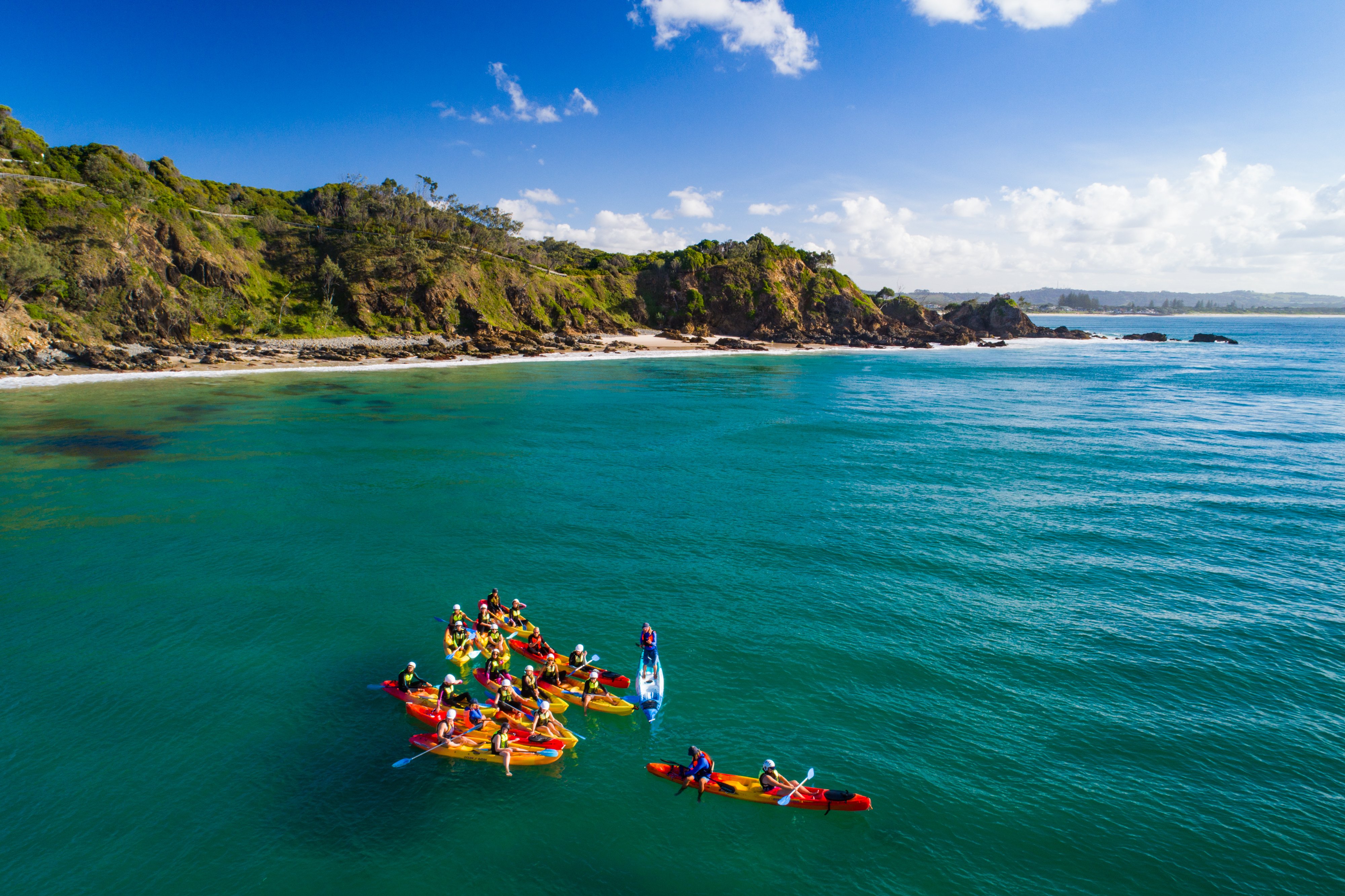
Paddle through a protected marine reserve, encounter dolphins and turtles, and catch waves at Australia's iconic surf spot.
1.5 hours
Free Cancellation
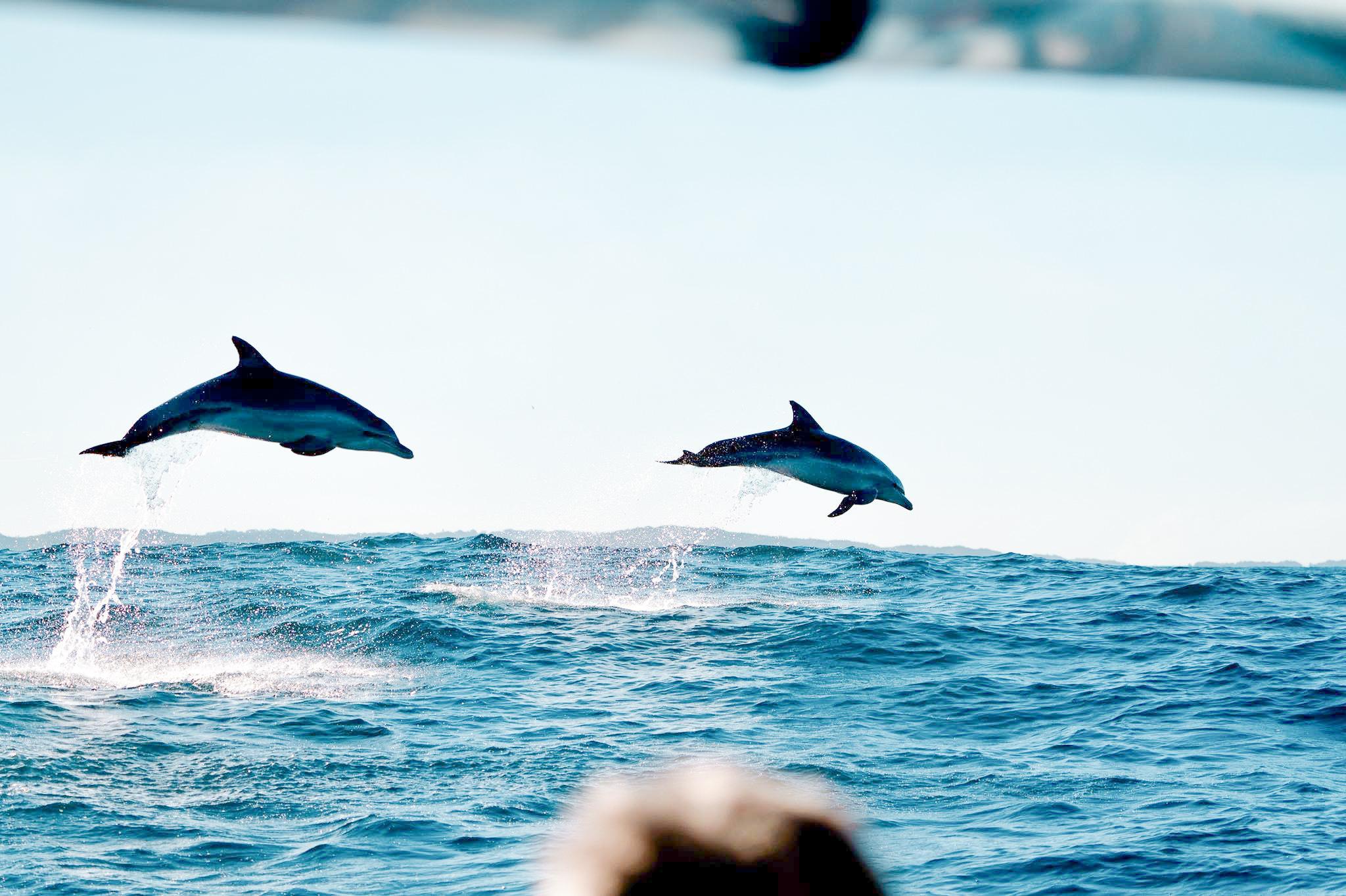
Explore Cape Byron Marine Park with a marine biologist and witness wild dolphins in their natural habitat
2 hours
Free Cancellation
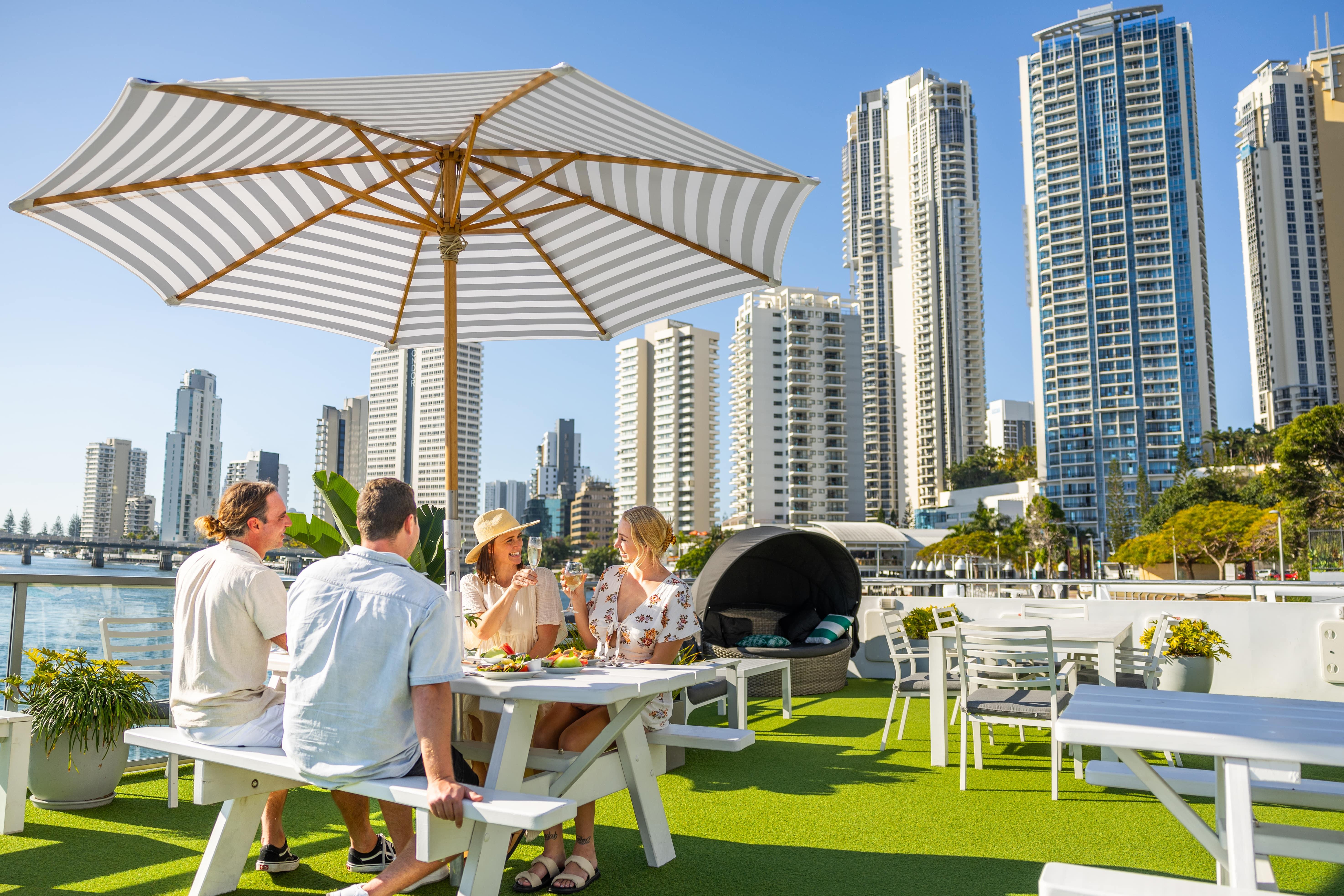
Sail the scenic Gold Coast canals aboard a luxury vessel with panoramic views and a tropical buffet spread
7 hours
Free Cancellation
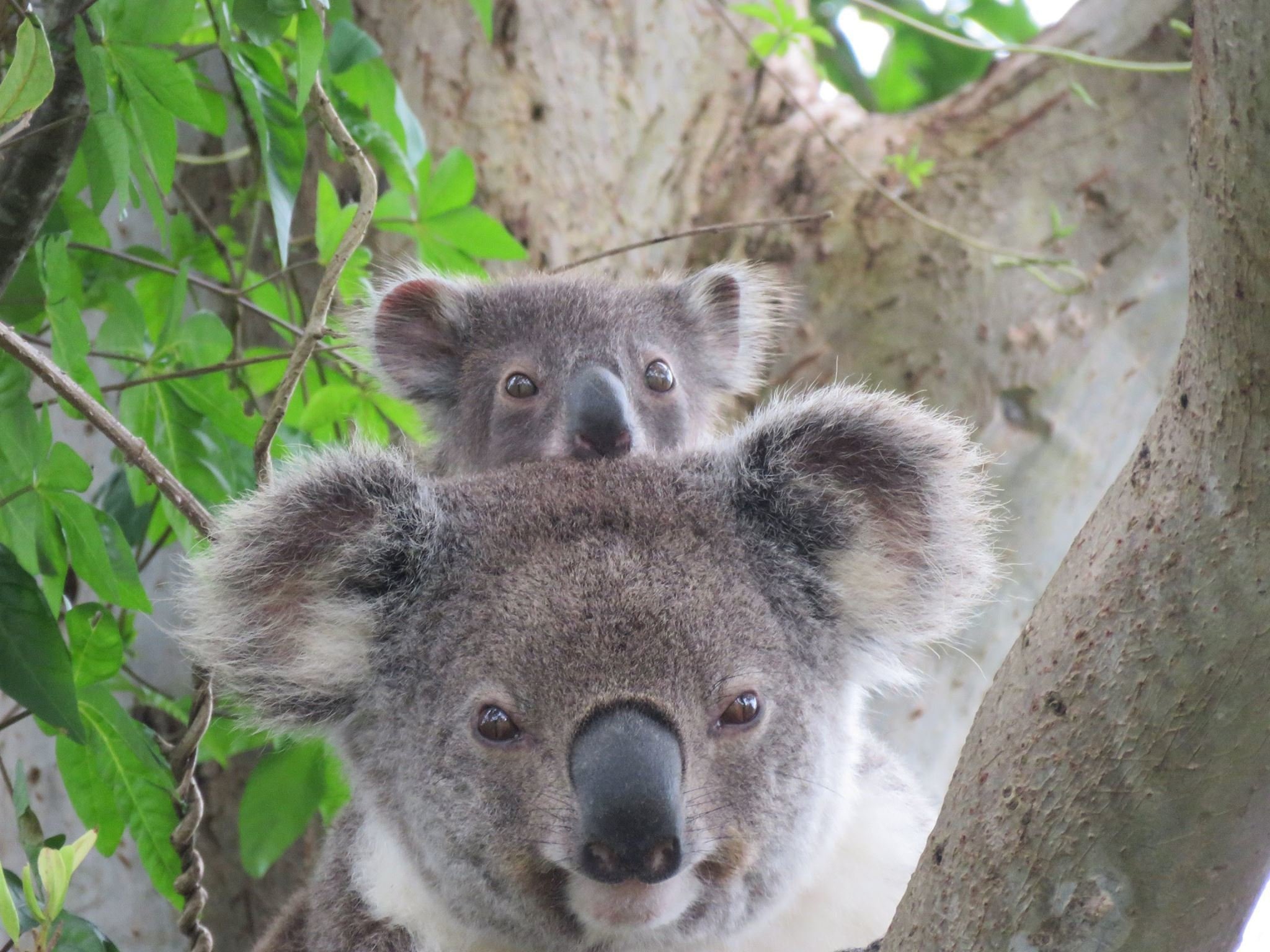
Seven-hour journey through eucalyptus forests, rainforest, and grasslands to observe native Australian animals in the wild
5.5 hours
Free Cancellation
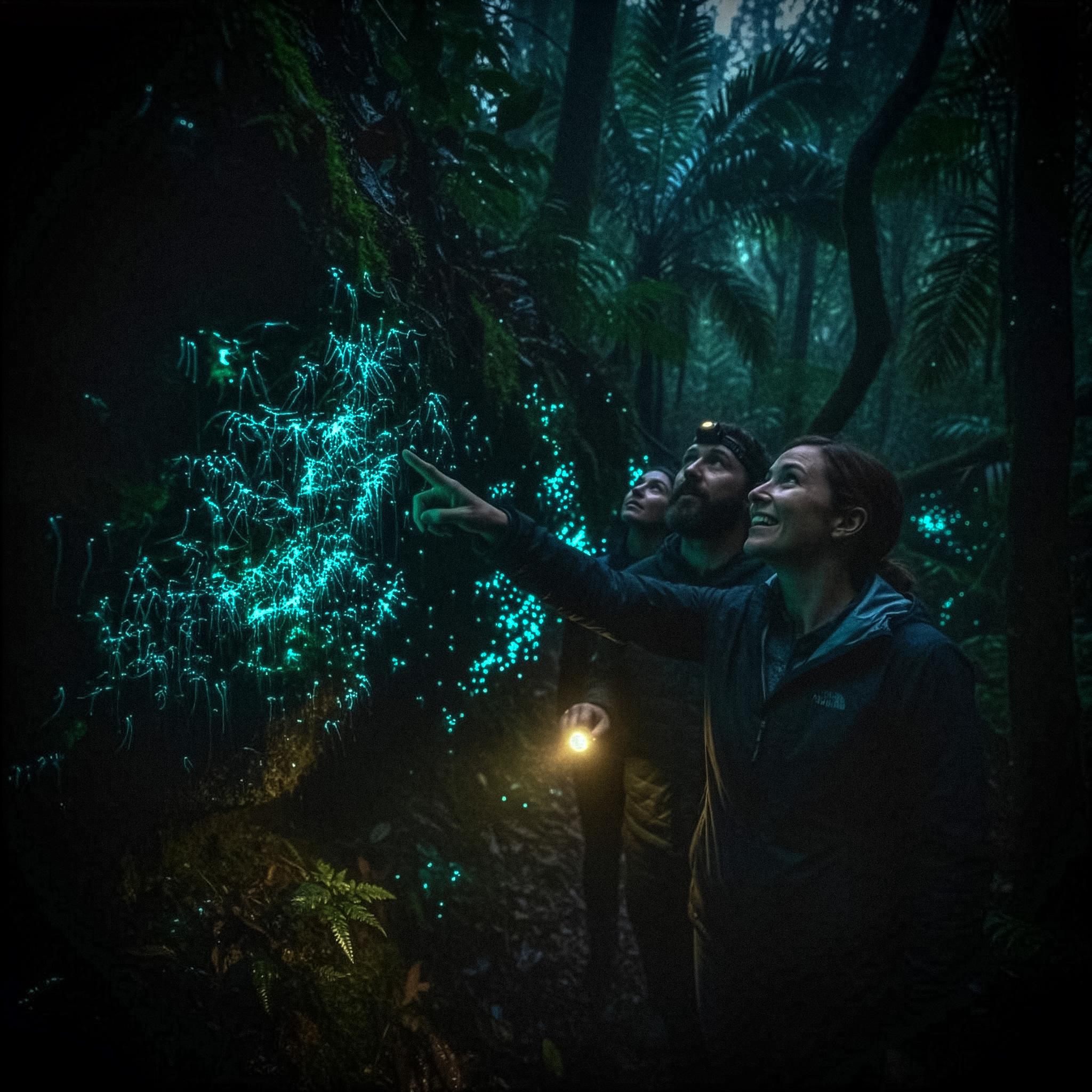
Journey through ancient forests to hidden waterfalls and witness bioluminescent glowworms at night
3 hours
Free Cancellation
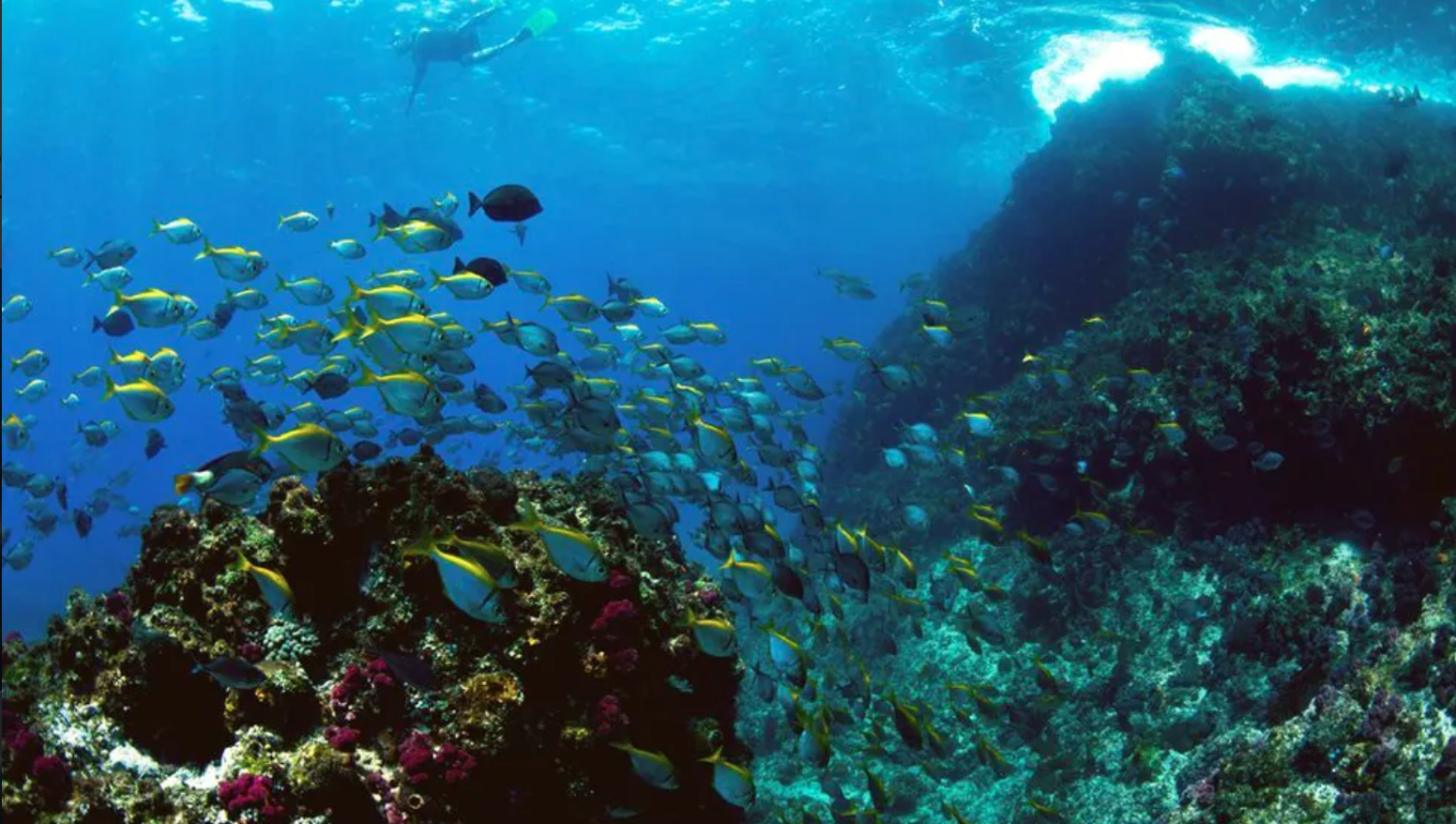
Explore one of Australia's oldest marine reserves and snorkel alongside turtles, rays, and sharks
1–1.5 hours
Free Cancellation
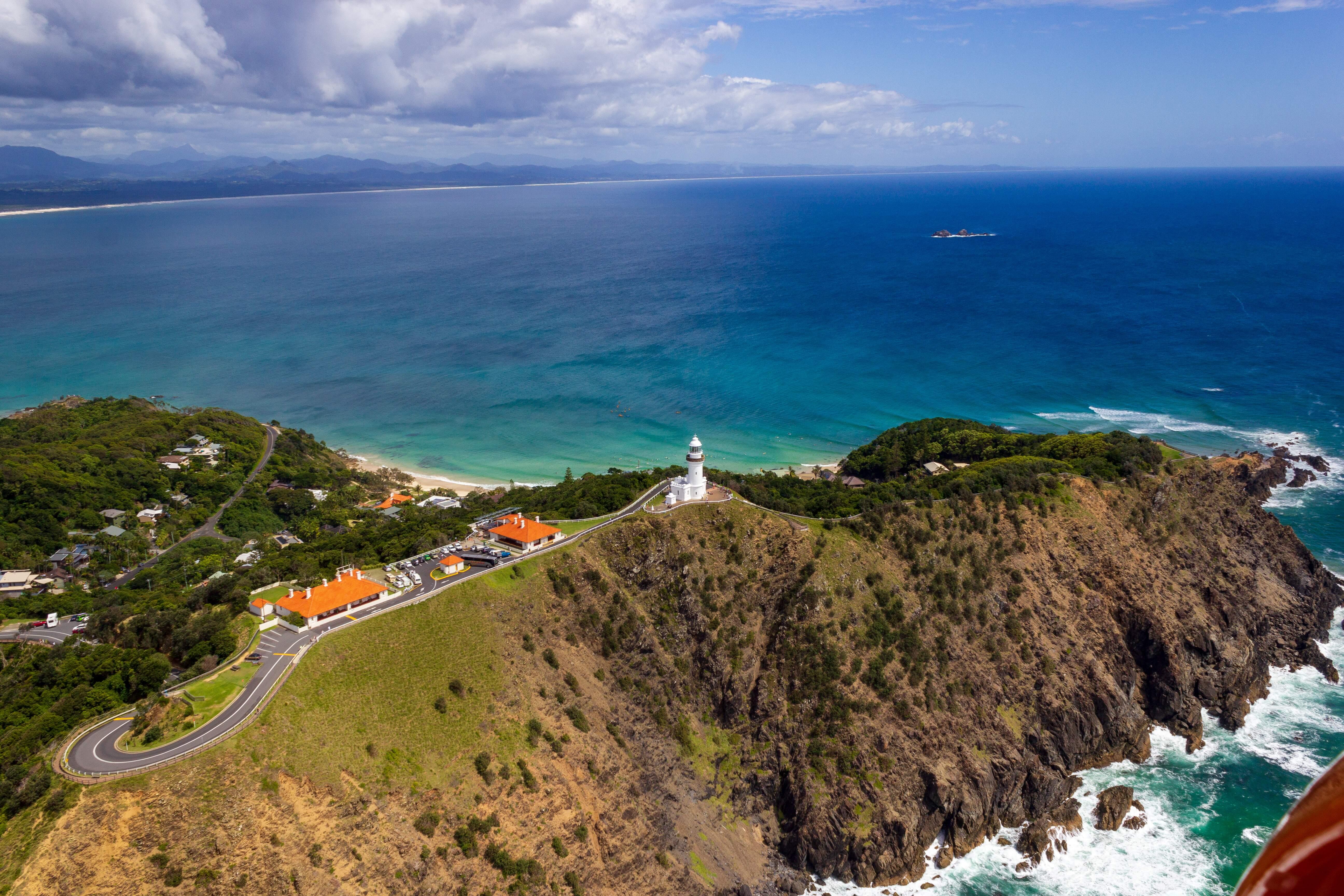
Fly over Byron Bay's coastline, lighthouse, and hinterland with expert pilot narration aboard a classic Cessna
You board at Ballina Wharf shortly after dawn, the deck still slick with dew and the air carrying the salt-and-diesel smell of a working harbour.
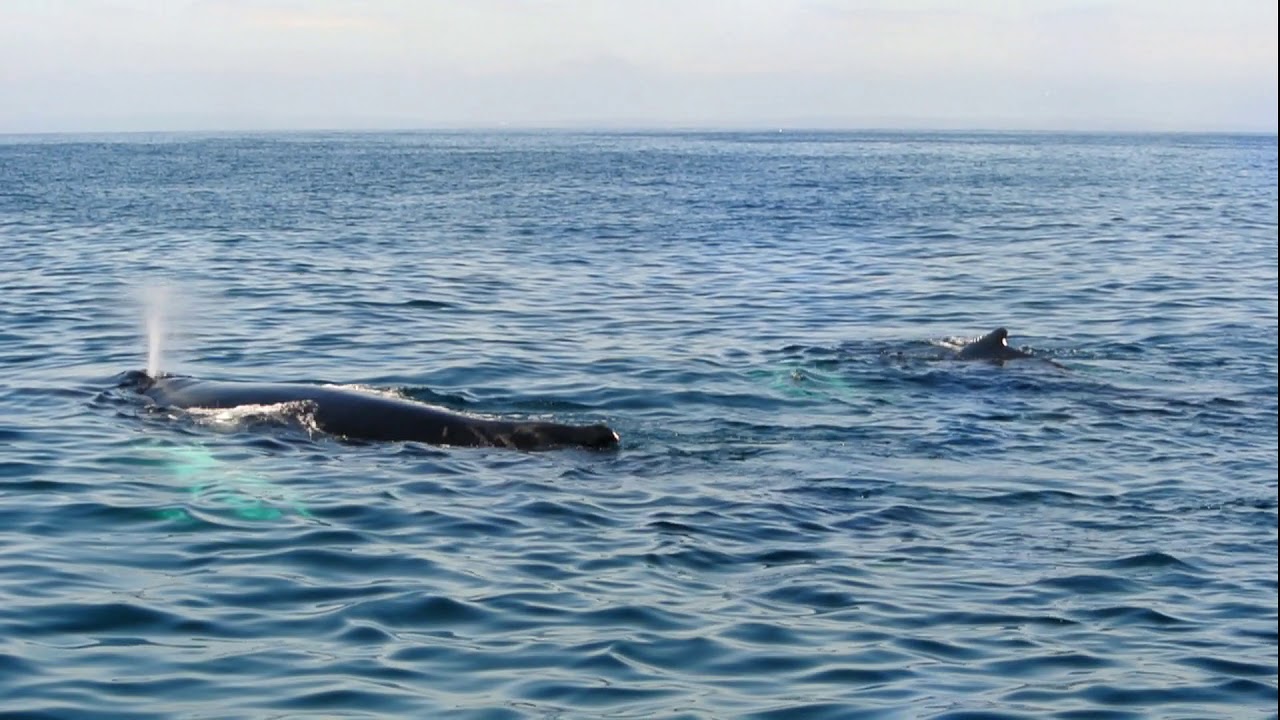
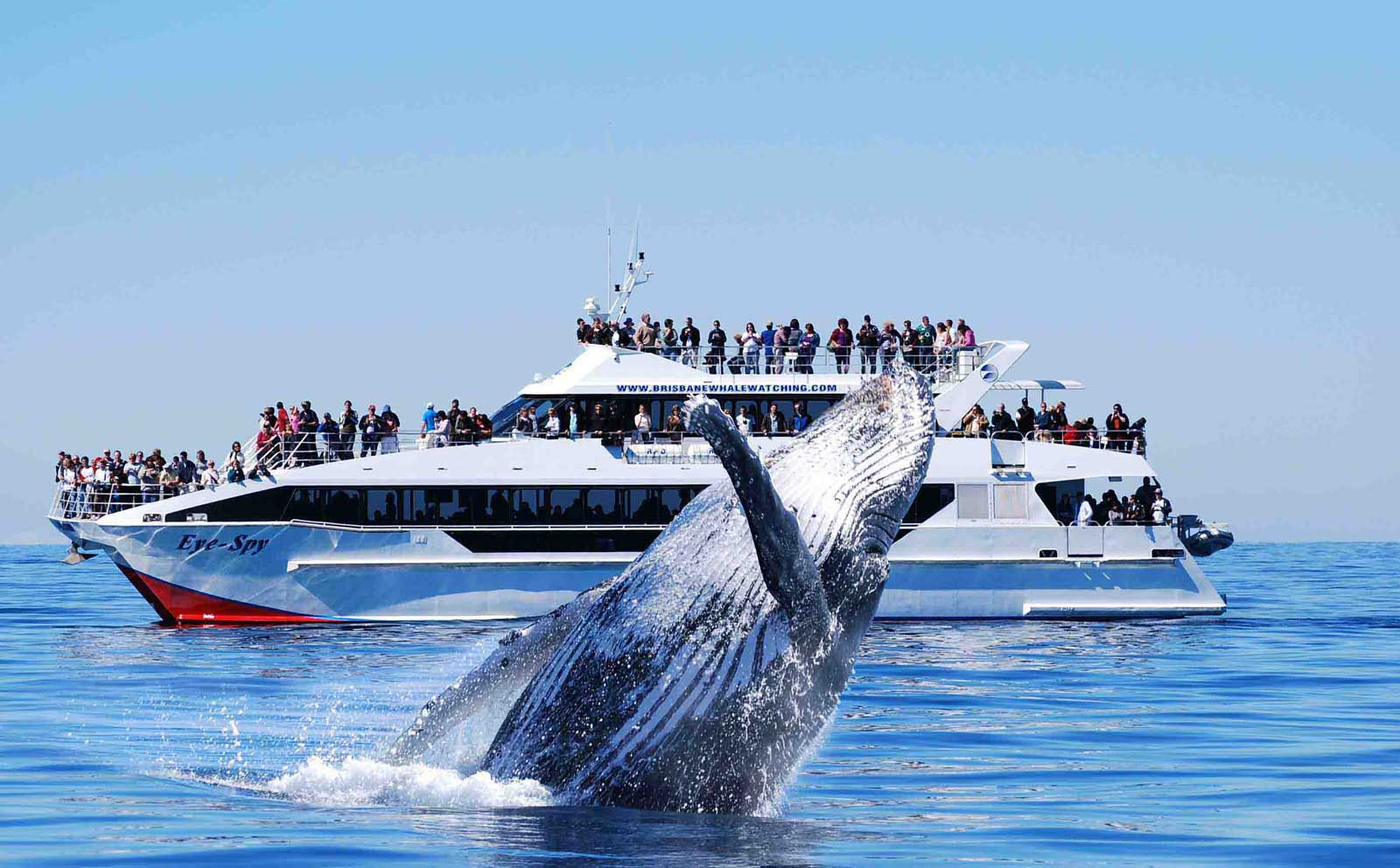
The catamaran clears the Richmond River mouth within ten minutes, and the skipper cuts the engines two nautical miles offshore, where the continental shelf drops away and the open ocean begins. You scan the horizon for blows—vertical plumes of mist that hang in the still morning air—and within minutes, a mother and calf surface fifty metres off the starboard bow.
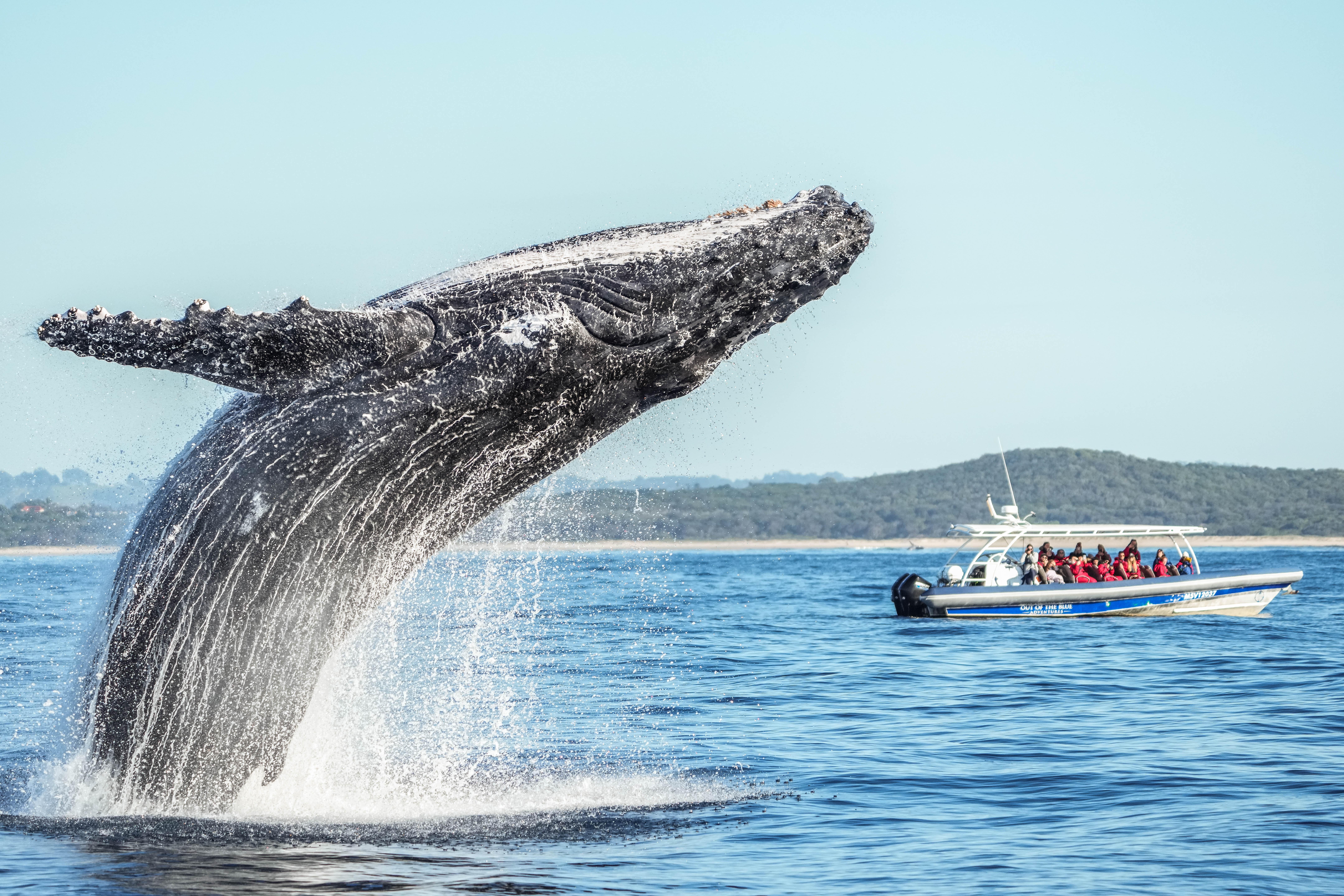
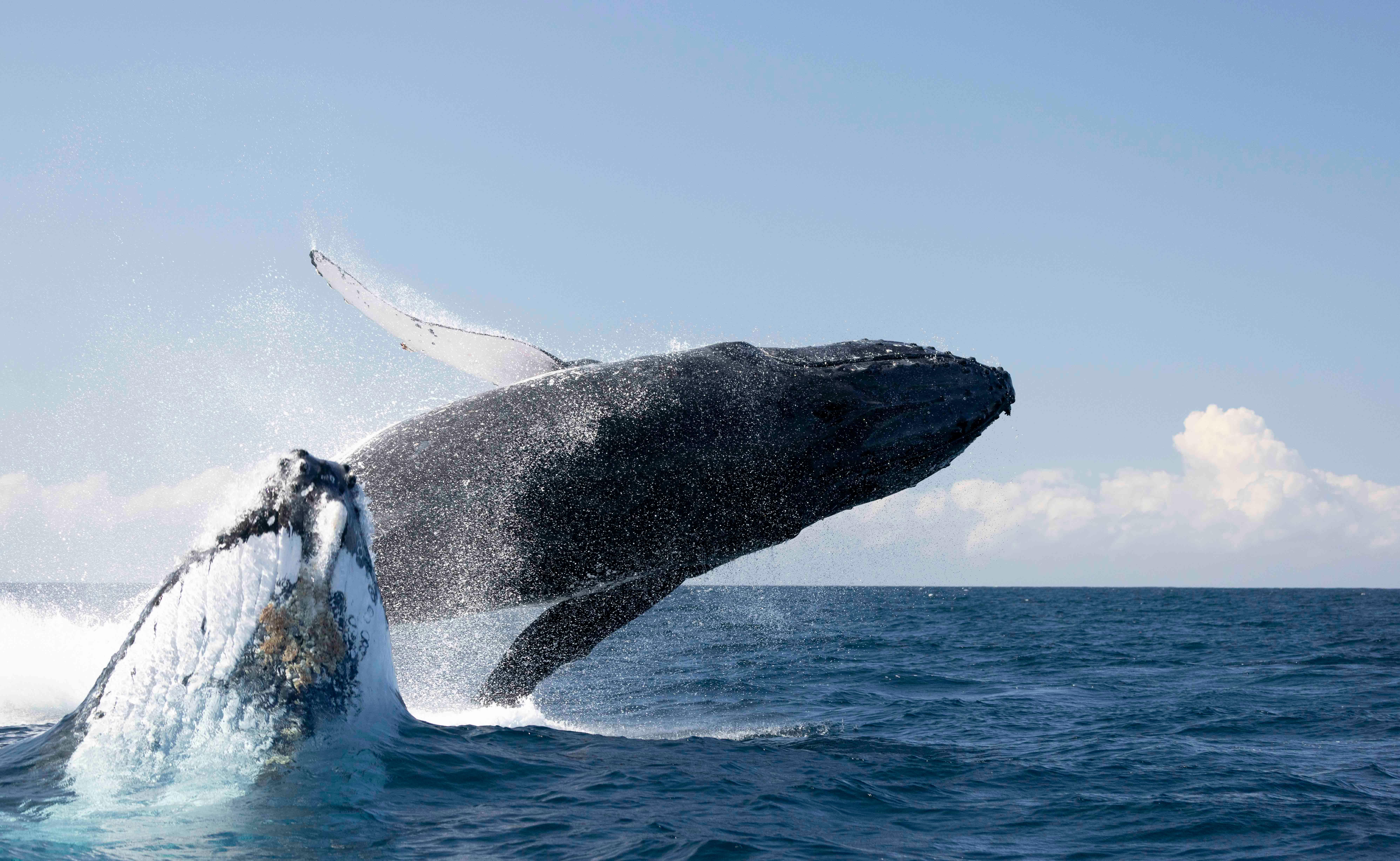
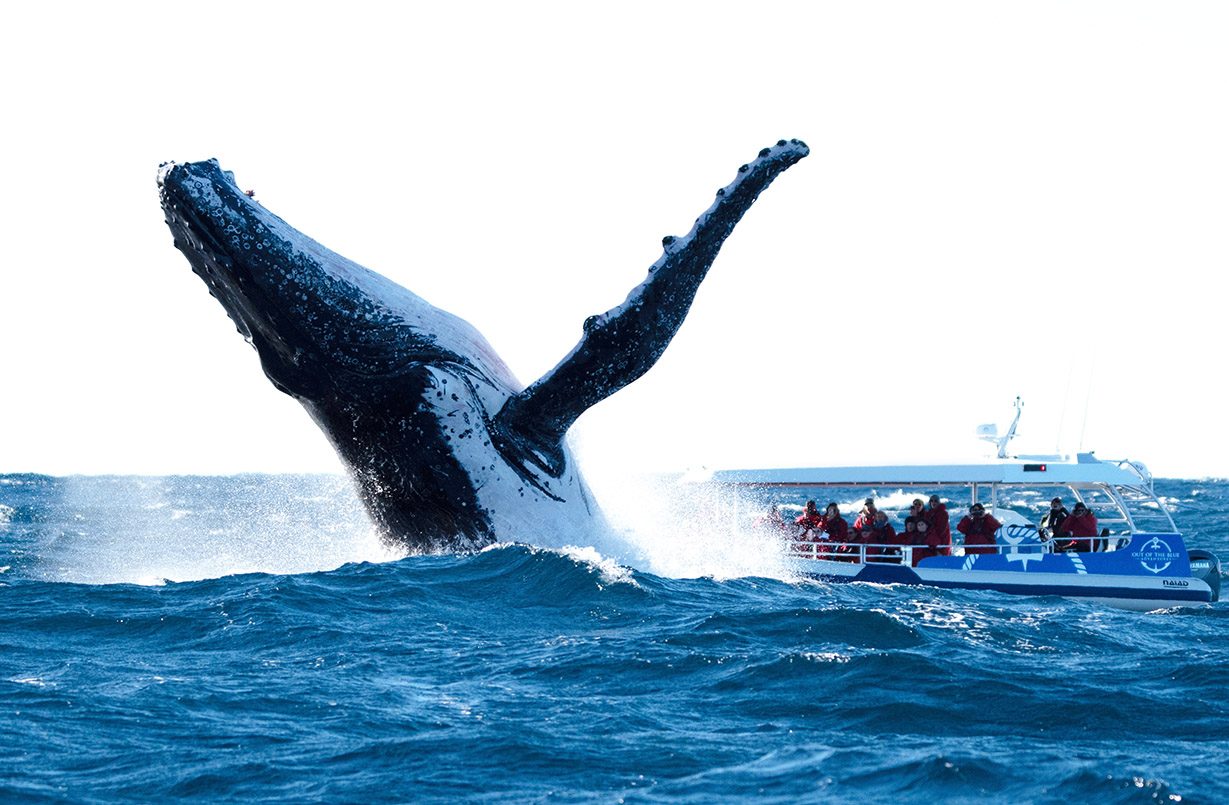
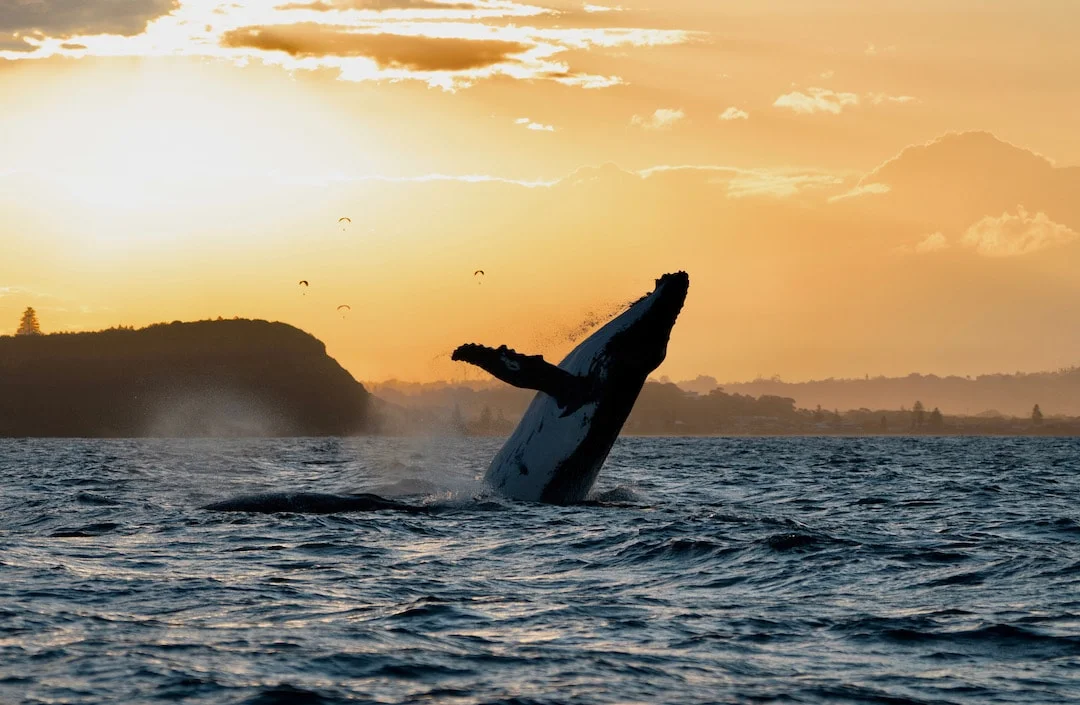
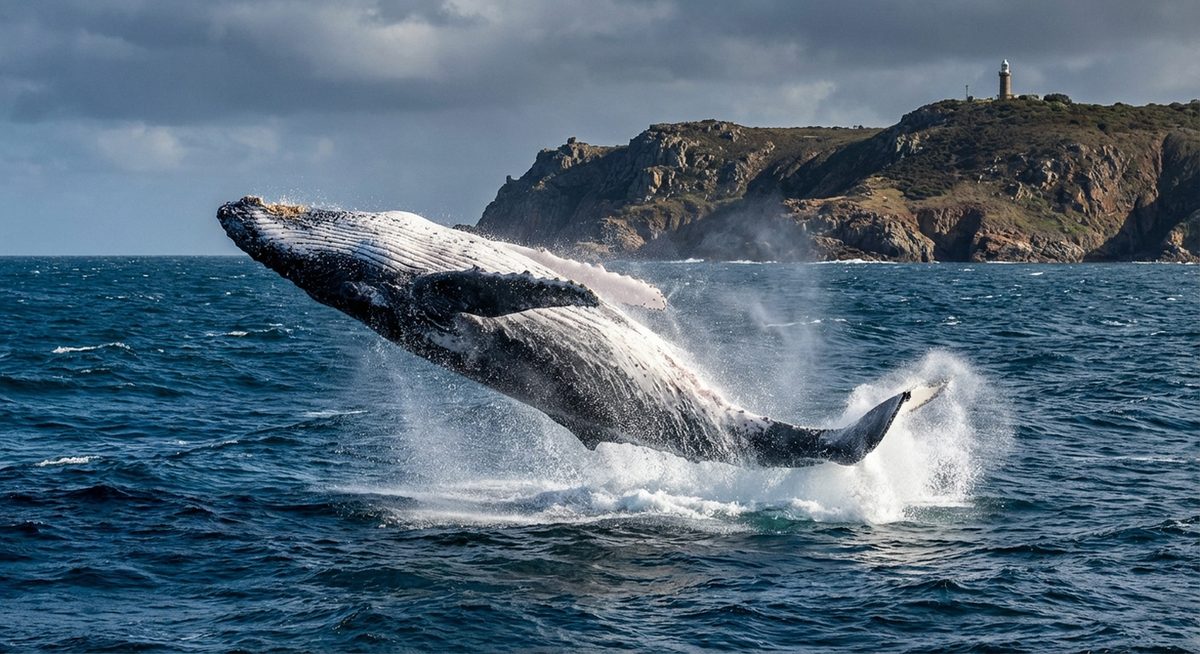
You watch the calf roll and breach, its body barely longer than the dinghy lashed to the stern, while the mother hovers below, a grey shadow four times the size. The hydrophone crackles with low-frequency calls, a sound you feel in your chest as much as hear. The whales circle the boat twice before diving, their flukes rising high and streaming water, and you see the barnacle clusters and white scars that mark years of migration. The marine biologist points out a second pod further north, and the boat repositions, matching their speed as they surface and blow in synchronized rhythm, heading toward the breeding grounds that lie a thousand kilometres beyond the visible curve of the Pacific.
All the details about your upcoming adventure in one place
Ballina whale watching offers front-row access to the annual humpback migration along Australia's east coast. Between May and November, pods travel through the rich waters off Ballina Head, often breaching within sight of the vessel. Ballina whale watching tours depart from the Richmond River mouth, where experienced marine guides interpret behavior and identify individual whales by fluke markings.
More than 35,000 humpback whales migrate past Ballina each year between June and November, making the New South Wales North Coast one of the southern hemisphere's most reliable cetacean corridors.
The convergence of the Richmond River estuary and the continental shelf creates nutrient-rich upwellings that draw krill and small fish, and the whales follow. Ballina sits at the midpoint of the 10,000-kilometre journey between Antarctic feeding grounds and tropical breeding waters near the Great Barrier Reef, a geography that turns the town into a natural observation post.
Commercial whale watching from Ballina Wharf began in the late 1990s, coinciding with the humpback population's recovery after decades of whaling moratoriums. By 2010, sightings had increased fivefold, and operators shifted from opportunistic dolphin cruises to dedicated whale tours. Today's fleet includes custom-built catamarans with hydrophones and underwater viewing windows, technologies that bring breaching, tail slapping, and bubble-net feeding within arm's reach. The Richmond River mouth serves as a staging area where mothers and calves rest before the final push north, and researchers have documented the same individual whales returning to Ballina waters across multiple seasons.
Ballina whale watching tours depart daily throughout the migration window, with morning departures favoured for calmer seas and better light. The North Coast's shallow coastal shelf means whales pass within two to three nautical miles of shore, close enough that land-based observers at the lighthouse and headland reserves often spot blows and breaches without binoculars. Peak activity occurs from late June through August, when northbound pods move steadily through Ballina waters, and again in late September and October, when southbound mothers with newly born calves linger in sheltered bays. Operators report a 95 per cent sighting success rate during the height of the season, a statistic driven by the sheer density of the migration and the predictability of the coastal route.
The experience extends beyond sightings. Onboard marine biologists provide real-time commentary on whale behaviour, explaining the difference between a fluke-up dive and a casual surface roll, and identifying individual whales by dorsal fin markings and fluke patterns. Some tours incorporate citizen science programs, with passengers submitting photographs to national humpback databases. The Richmond River estuary and Cape Byron Marine Park boundaries ensure that vessels maintain regulated distances, but whales frequently approach boats out of curiosity, particularly juveniles and sub-adults. These close encounters, framed by the green folds of the Byron hinterland and the unbroken blue of the Pacific, anchor Ballina's reputation as a front-line destination for whale watching in New South Wales.

More than 35,000 humpback whales migrate past Ballina each year between June and November, making the North Coast one of the southern hemisphere's most reliable cetacean corridors.
Wear warm, layered clothing and flat-soled shoes for stability on the water. High-quality marine ponchos are often provided, but guests should be prepared for ocean spray.
Keep bags small and lightweight to stow securely under seating. Large luggage is generally prohibited due to limited space on board.
Photography is encouraged for capturing marine life, but please use a strap to secure your camera or mobile device. A waterproof case is highly recommended for ballina whale watching photography.
Families are welcome, though children should be supervised at all times. Check age restrictions with the operator as some fast boat tours may not be suitable for young children.
Some vessels may have limited accessibility for individuals with mobility challenges. Always contact the tour operator regarding your specific needs before booking your ballina whale watching tickets.
Small snacks and water are often provided on tours. Check if your specific boat allows personal food items, but avoid items that create unnecessary mess or waste.
Opening hours
07:00–17:00
Address
Ballina Wharf, 12-24 Fawcett St, Ballina NSW 2478, Australia
Accessibility
Please contact operator for specific requirements
Best arrival window
07:30–15:00
Prohibited items
No glass containers, heavy suitcases, or hazardous materials
Location
Departing from Ballina Wharf, accessible from Richmond River
Bookings may be subject to a cancellation fee within 48 hours of the scheduled departure. Please review individual operator terms, as boat tours are ticketed separately from free land-based viewing.
Recommended time
3-4 hours
Most visitors allocate half a day to enjoy a ballina whale watching experience, which accounts for pre-boarding check-ins and the marine excursion itself. Planning to arrive within the recommended window helps ensure you do not miss your scheduled boat departure. You may find that ballina whale watching tours are quieter during mid-week, while weekend trips often reach capacity as enthusiasts seek sightings of migrating humpbacks. Securing your ballina whale watching tickets in advance remains the best way to manage your schedule, as marine mammals often influence the specific nature of your time on the water.
Crowd levels through the day
Visitors arriving for ballina whale watching will find several convenient dining options situated along the Richmond River, just a short walk from the Fawcett St departure point. While you prepare for your marine mammal excursion, the surrounding precinct offers a variety of quick bites and waterside cafes.
This popular spot serves organic coffee and wholesome breakfast bowls perfect before your ballina whale watching tour. It gets busy on weekends, so arrive early to secure a table.
Offering a relaxed atmosphere, this venue is ideal for a post-trip meal while discussing your ballina whale watching tickets. Enjoy local seafood dishes with views overlooking the water.
A casual choice for light lunches and pastries, ideal if you are looking for a quick bite near the boat ramp. Their selection of sandwiches is convenient for those booked on ballina whale watching tours.
Real experiences from real travelers
We joined a ballina whale watching tour in early August and saw seven humpbacks including a mother with her calf. The crew was knowledgeable about migration patterns and pointed out behaviours we would have missed. Water was calm and the boat had plenty of viewing space.
Ballina whale watching tours operate right in the migration corridor. We spotted breaching whales within twenty minutes of leaving the harbour. The Richmond River estuary provides sheltered departure conditions and the crew gave detailed commentary throughout.
Three separate pods during our morning departure. The captain positioned the boat perfectly while respecting distance regulations. Saw tail slaps and pectoral fin displays. Ballina's location makes it ideal for winter whale observation.
Saw two humpbacks on our tour including one that surfaced very close to the vessel. Weather was overcast but sea conditions were excellent. The guides explained cetacean biology and local marine ecosystems clearly.
Booked the first ballina whale watching departure of the day and it paid off. Calm ocean, clear visibility, and multiple whale encounters. The crew also pointed out dolphins and seabirds along the migration route.
Well-maintained catamaran with indoor and outdoor viewing areas. Guides provided hydrophone so we could hear whale song underwater. Ballina whale watching tickets include tea and coffee onboard.
Took our two children and the crew made the experience educational and engaging. Saw a whale breach three times in succession. The tour length was appropriate and the boat had stable movement even in open water.
Late August timing meant we saw consistent whale activity throughout the three-hour tour. The crew explained how humpbacks travel north to warmer breeding grounds. Ballina's coastal position offers excellent access to the migration path.
Our guide said success rate during peak season exceeds ninety percent and we certainly weren't disappointed. Multiple humpbacks feeding and travelling in small groups. The commentary added context to what we were observing.
Crisp winter morning with glassy water conditions made spotting easier. Saw spouts from several kilometres away and the captain navigated us into position smoothly. Ballina whale watching offers genuine wildlife encounters without feeling crowded.
Everything you need to know for your journey
The boat tours typically operate daily between 07:00 and 17:00 during the migration season.
Land-based viewing is free, but boat tours require ticketed entry as per the 0 AUD entrance fee policy for land-based observation.
All tours depart from the Ballina Wharf, 12-24 Fawcett St, Ballina NSW 2478.
Yes, land-based viewing at spots like North Wall or the Ballina Head Lookout is free.
The migration season runs from June to November, with the peak window for sightings occurring from September to October.
Wear comfortable, layered clothing and non-slip shoes, as conditions on the ocean can change quickly.
Most boat tours accommodate families, though some have age restrictions for safety on fast vessels.
Operators will typically offer a rescheduled date or a full refund if the tour is cancelled due to poor weather.
Please check with your operator, but generally, small snacks are provided or allowed, provided they do not interfere with the marine environment.
Join thousands of happy travelers who have discovered this incredible experience
Book Your Experience Now